11 November 2026
How to Choose an Engagement Ring Style for Your Hand Shape
Presented by @thebridalband
Finding an engagement ring that feels right starts with more than picking a diamond shape or metal color. The way a ring sits on your finger, how it balances with your hand proportions, and how it catches the light from different angles all depend on the ring's silhouette and how your hand is built. The best choice is the one that makes you feel confident, and understanding a few basic principles about hand shapes can guide you toward a style that looks natural and flattering.
For most people, the goal is to create a sense of balance. A ring that is too narrow for a long finger can get lost, while a very wide band on a short finger can look bulky. The same logic applies to the center stone and its setting. A solitaire setting with a round brilliant diamond works beautifully on almost any hand, but a three stone design can add visual width to a narrow finger or elongate a shorter finger depending on how the stones are arranged. The key is to match the ring's overall shape to the line of your hand, not to fight against it.
Below is a practical breakdown of common hand shapes and the engagement ring styles that tend to suit them best. These are guidelines, not rules. Personal taste always comes first, and a skilled jeweler can help you adjust any design to work with your anatomy.
Long and slender fingers
If your fingers are long and slender, almost any ring style will look proportional. You have the widest range of options because the finger length can carry a larger stone or a more intricate setting without overwhelming the hand. A three stone ring, for example, spreads the diamonds along the finger and creates a beautiful line that follows the natural shape. A halo setting adds extra sparkle around the center stone and still reads as elegant rather than crowded.
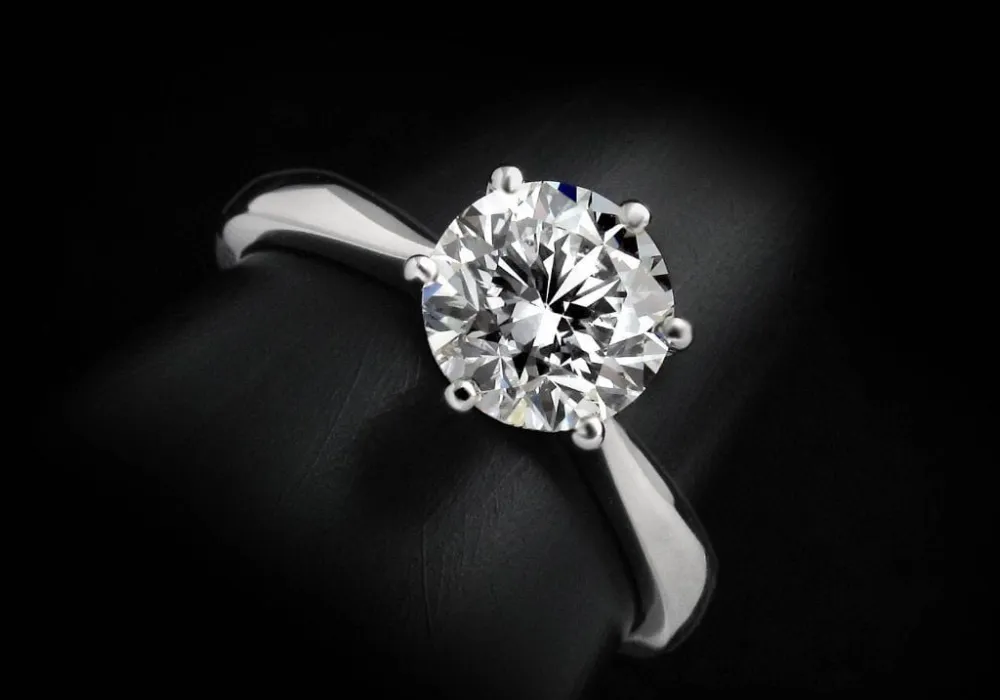
One detail to watch is band width. A very thin band on a long finger can make the finger appear even longer, which may or may not be the effect you want. A medium-width band, around two to two and a half millimeters, gives a little more substance and helps the ring feel secure. If you prefer a delicate look, a pave band with small diamonds along the shank adds shine without adding bulk.
Short fingers
For shorter fingers, the aim is to create a lengthening effect. A ring with an elongated center stone, such as an oval, pear, or marquise cut, draws the eye along the finger and makes it appear longer. A three stone design with a larger center stone and two smaller side stones can also help, especially if the side stones are set slightly angled or tapered toward the center. This arrangement guides the gaze outward and gives the finger a longer visual line.
Band width matters here too. A very wide band can make a short finger look stubbier, so a thinner band, around one and a half to two millimeters, is often a better choice. A solitaire setting on a slim band keeps the focus on the diamond and avoids adding horizontal weight. A halo setting can work, but a single halo is usually more flattering than a double halo because it keeps the profile compact.
Broad or wide fingers
Broad fingers can carry a ring with more presence. A wider band, around three millimeters or more, balances the finger and prevents the ring from looking too dainty. A three stone ring with a substantial center stone and matching side stones fills the width of the finger nicely and creates a cohesive look. A cushion cut or princess cut diamond, with their squarish shapes, also works well because they mirror the finger's width rather than fighting it.
If you prefer a more delicate style, a halo setting can add visual size to the center stone without making the band wider. A pave band with small diamonds can also add sparkle while keeping the overall silhouette slim. The trick is to avoid a ring that looks lost. A solitaire with a very thin band on a broad finger can appear unbalanced, so if you love a solitaire, consider a band that is at least two and a half millimeters wide.
Knobby or prominent knuckles
If your knuckles are larger than the base of your finger, ring fit becomes the primary concern. A ring that fits over the knuckle comfortably may spin or feel loose on the finger itself. In this case, a ring with a wider band or a cathedral setting that hugs the finger can help. A three stone ring with a substantial shank also provides more surface area to keep the ring in place.
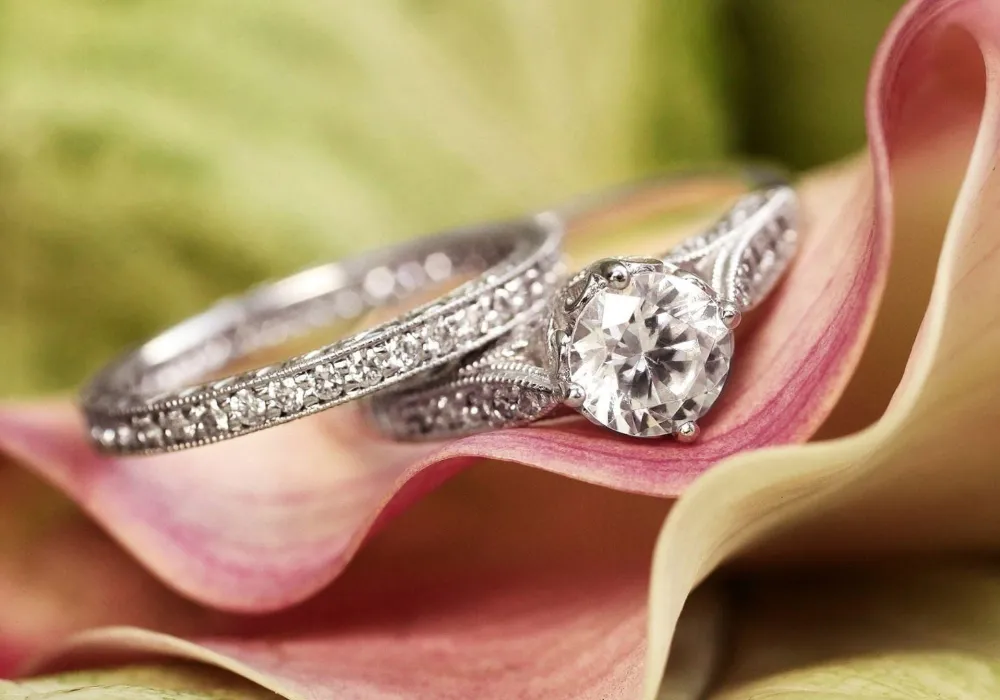
Another practical solution is a ring with a comfort-fit band. This style has a slightly rounded interior that slides over the knuckle more easily and sits snugly once in place. Avoid very thin bands because they are more likely to spin. A pave band with diamonds can also help, as the texture of the stones creates a little more friction against the skin, reducing movement. If you find the perfect ring but the fit is tricky, a jeweler can add small sizing beads or a spring insert to improve the grip.
Small or petite hands
For small hands, the goal is to keep the ring proportional without overwhelming the finger. A solitaire setting with a round or oval diamond is a classic choice because it offers plenty of sparkle without extra bulk. A three stone ring can also work, but the side stones should be noticeably smaller than the center stone to maintain balance. A halo setting adds a ring of diamonds around the center stone, which can make the diamond look larger while keeping the overall footprint manageable.
Band width should stay on the thinner side, around one and a half to two millimeters. A very wide band can make a small hand look cluttered. A pave band with tiny diamonds adds brightness without adding visual weight. If you want a bridal set, look for a matching wedding band that sits flush against the engagement ring, avoiding a gap that can make the set feel bulky.
The role of the setting and band details
Beyond hand shape, the setting style and band details affect how the ring feels and looks over time. A prong setting is the most common because it lifts the diamond above the band, letting light pass through from all sides. A bezel setting, where the diamond is encircled by metal, gives a sleeker profile and protects the edges, which is useful for active lifestyles. A pave band adds continuous sparkle but may require occasional maintenance to keep the small stones secure.
For a three stone design, the side stones can be round, baguette, or tapered in shape. Tapered baguettes, for example, slope upward toward the center diamond and create a narrowing effect that elongates the finger. Round side stones add more sparkle and a softer look. The choice depends on the overall shape you want to create on the finger.
If you are comparing options, resources like diamond-rings-info.com can help you see how different styles work on real hands. Seeing a ring on a hand with proportions similar to yours gives a much better sense of scale than a product photo alone. That kind of practical reference makes it easier to narrow down choices before you visit a jeweler.
Ultimately, the best engagement ring is the one that feels like it belongs on your hand. Understanding your hand shape gives you a starting point, but the final decision should come from what you love to look at every day. A ring that makes you smile when you catch a glimpse of it is always the right choice. Take your time, try on different styles, and let your own eye be the final judge. If you want to explore more about ring styles and how they compare, diamond-rings-info.com is a helpful place to start your research.